
Terry Fox stands out as one of Canada’s most celebrated figures, with countless Canadians having witnessed archival videos of his legendary 1980 run across the nation, aimed at raising both awareness and funds for cancer research.
However, the recent documentary Run Terry Run, which debuted at last month’s Toronto International Film Festival, argues that there remains a wealth of insights to uncover about the man behind the Marathon of Hope.
Directed by Sean Menard, the film utilizes 96 reels of previously unreleased footage, showcasing Fox’s voice, sense of humor, challenges, and resolve.
-
Run Terry Run, the upcoming Terry Fox documentary, has a new trailer
-
Photos
IN PHOTOS | TIFF movies and moments
Menard, who previously directed the self-financed MuchMusic documentary 299 Queen Street West, was motivated to seek out first-hand documentation of Fox’s marathon due to the scarcity of high-quality footage available. With the assistance of the Terry Fox Foundation, he found the footage in a storage facility in Toronto, just a few blocks from his residence. He then restored the film reels to 4K quality for his documentary.
Here are some insights we gained from the documentary.
1. Terry Fox didn’t reach his intended destination, but he ran thousands of kilometers for his cause
Fox aimed to run from St. John’s to Victoria, covering a distance of about 8,000 kilometers. His daily target was approximately 42 kilometers, the length of a marathon.
In Ontario, however, he made various detours to speak at rallies, engage with supporters, and promote cancer research. These stops meant he did not progress as far west as he might have on a more straightforward route—possibly reaching Manitoba or Saskatchewan—but they played a vital role in transforming the Marathon of Hope into a nationwide initiative.
He had to halt his journey near Thunder Bay, Ont., on September 1, 1980, after discovering that the cancer had metastasized to his lungs. At that point, he had completed 5,373 kilometers over 143 days.
2. Terry Fox and his best friend faced challenges, leading to Fox’s younger brother joining the journey
Terry Fox and his best friend, Doug Alward, initiated the Marathon of Hope in St. John’s on April 12, 1980, but the physical toll of the run and the stress of living together in a van led to some tension.
In May, Terry’s younger brother, Darrell Fox, who was 17 at the time, joined them in New Brunswick. He played a crucial role in alleviating the strain between the two friends by serving as a mediator.
3. He was dissatisfied with certain media portrayals
Fox was deeply concerned about how he and the Marathon of Hope were represented in the media. He felt frustrated when coverage failed to capture the essence of his mission, especially when it focused on conflicts with Alward or Darrell.
Before Terry gained national recognition, Toronto Star journalist Leslie Scrivener chronicled his journey in a weekly column titled Running with Terry. Her articles helped garner public support for the run, evolving from a cause many initially questioned into a national movement.
4. He did not seek sponsorship funds for himself
Terry was adamant that the funds raised during his run would be directed toward cancer research. He refused to accept sponsorship money or personal financial assistance.
However, various organizations began to lend support in other ways. The Canadian Cancer Society enlisted a publicist named Bill Vigars, Ford donated a van, and Adidas supplied running shoes.
The public campaign also inspired music. Country artist Nancy Ryan recorded Run, Terry, Run, penned by Vern Kennedy, with proceeds benefiting the Canadian Cancer Society.
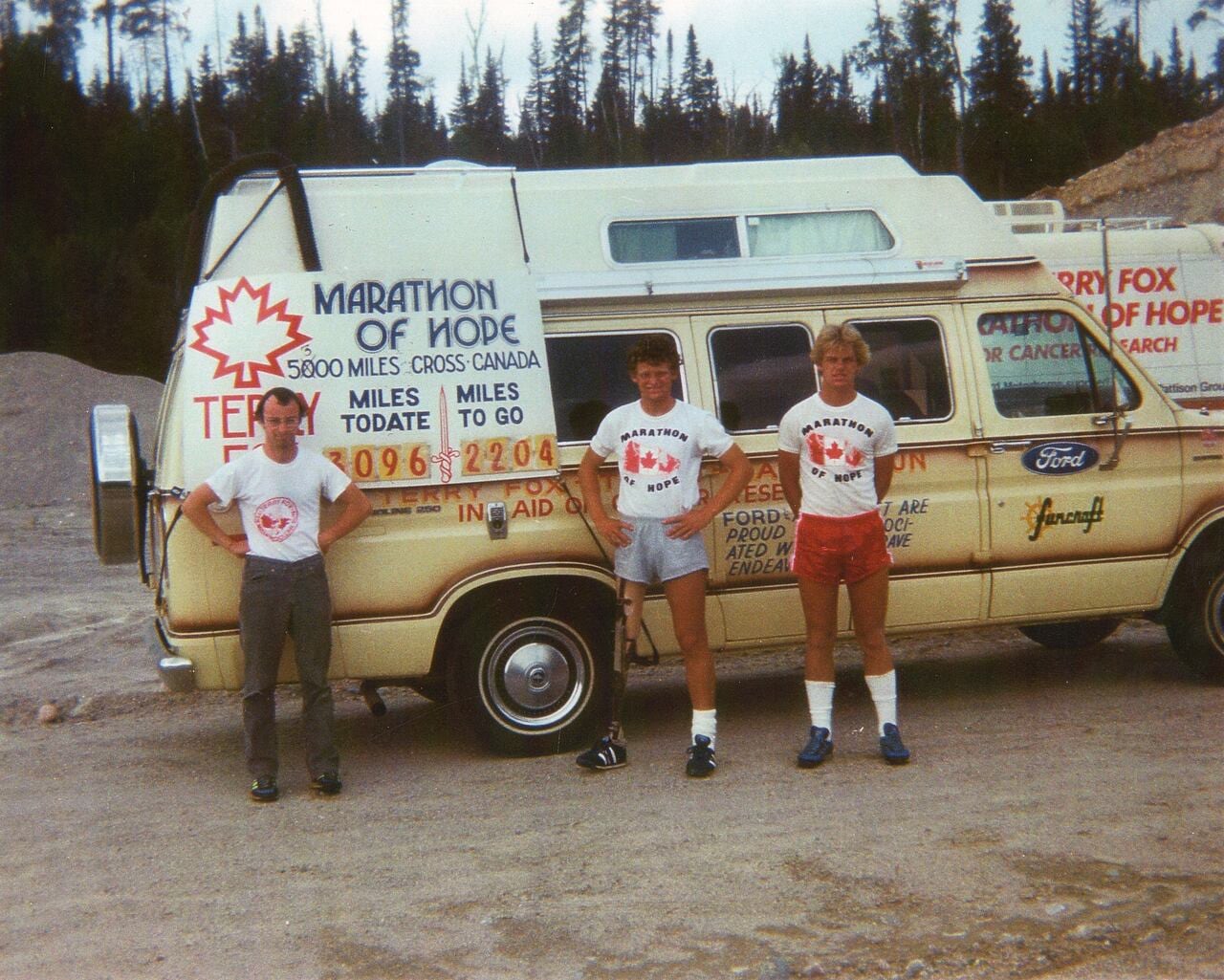
Terry Fox, center, alongside best friend Doug Alward, left, and younger brother Darrell Fox, right, in front of the Van of Hope in White River, Ont., in August 1980. (Submitted by Darrell Fox)
5. He believed a car accident contributed to his cancer
At the age of 18, Terry was involved in a car accident that he thought might have caused or exacerbated the cancer in his right knee.
Medical professionals, however, informed him that there was no link between the accident and his osteosarcoma—a rare and aggressive bone cancer.
The pain he experienced after the accident was an early sign of the disease, diagnosed in 1977, which ultimately led to the amputation of his right leg.
6. He found inspiration in other children battling cancer
Terry’s time recovering in the hospital, where he witnessed other young patients succumbing to cancer, significantly influenced his decision to run across Canada.
The film illustrates how Terry envisioned the Marathon of Hope as a means to offer hope to those affected by cancer, aiming to raise funds for research that would provide better treatment options for future patients.
7. He had an aversion to visiting doctors
Although Terry Fox was determined and disciplined, he was not fond of medical appointments. The documentary reveals a young man who avoided seeing doctors and did not wish to be defined by his illness.
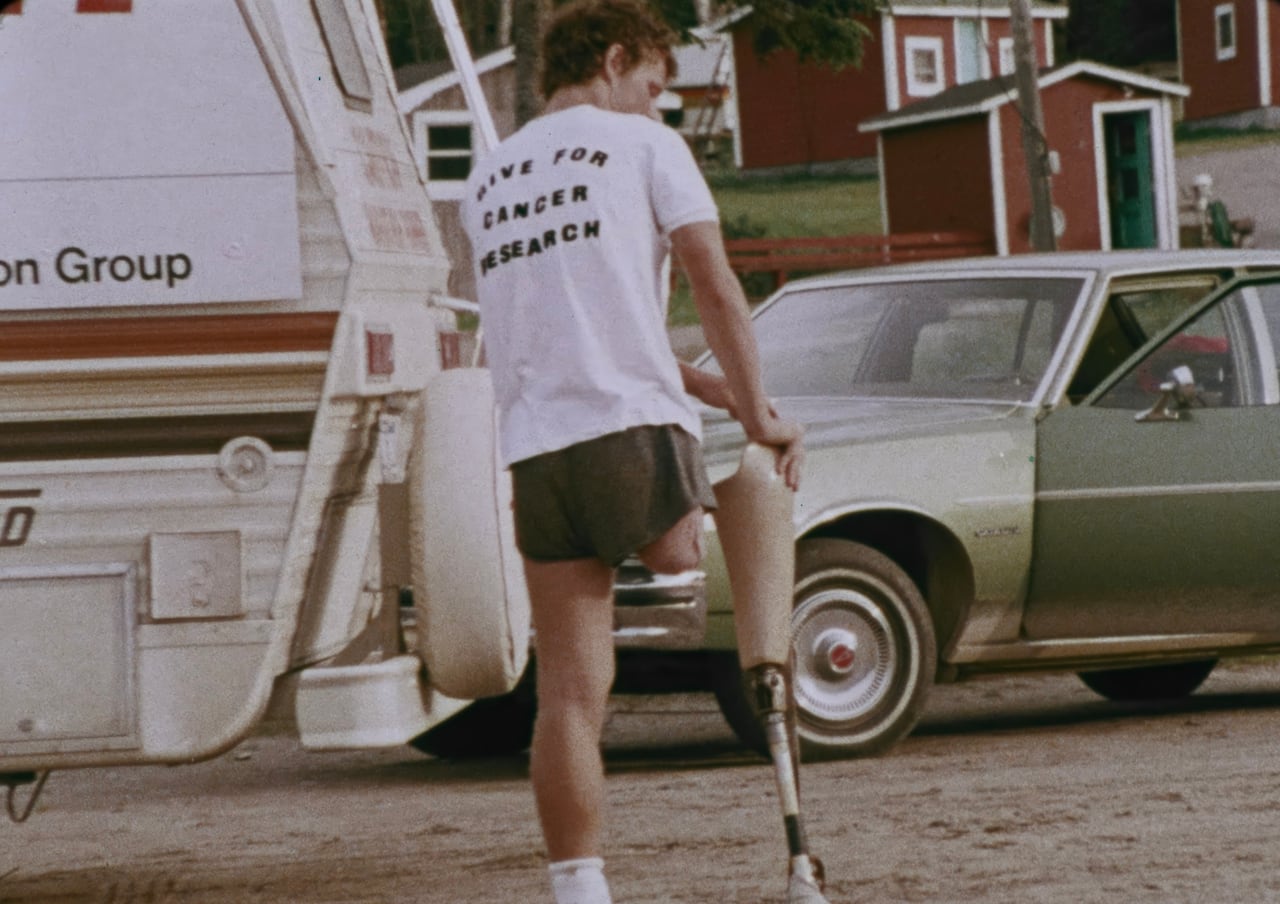
This moment from Run Terry Run shows Terry Fox reattaching his prosthetic leg at a roadside rest area in northern Ontario after swimming with friends in the summer of 1980. (Elevation Pictures)
8. He had a complex relationship with his prosthetic leg
As Terry lost weight during his run, wearing his prosthetic leg became increasingly challenging and painful. Due to its improper fit, it caused friction against his stump, necessitating a replacement. In one particularly tough moment, Terry became upset after someone noticed blood running down his leg.
The documentary footage captures the mounting strain between Terry’s changing physical state and his unwavering determination to continue running.
9. Quebec presented a challenging segment of the journey
Terry felt frustrated during his time in Quebec, where the language barrier complicated communication.
Many drivers were unaware of the Marathon of Hope and frequently forced him off the road. Concerned for his safety, Alward and Darrell encouraged Terry to wear a safety vest, but he declined, wanting people to see his Marathon of Hope shirt.
In Ontario, a different challenge arose. By that time, public interest had intensified significantly. Terry was no longer just a young man running along the highway; he had become a national sensation.
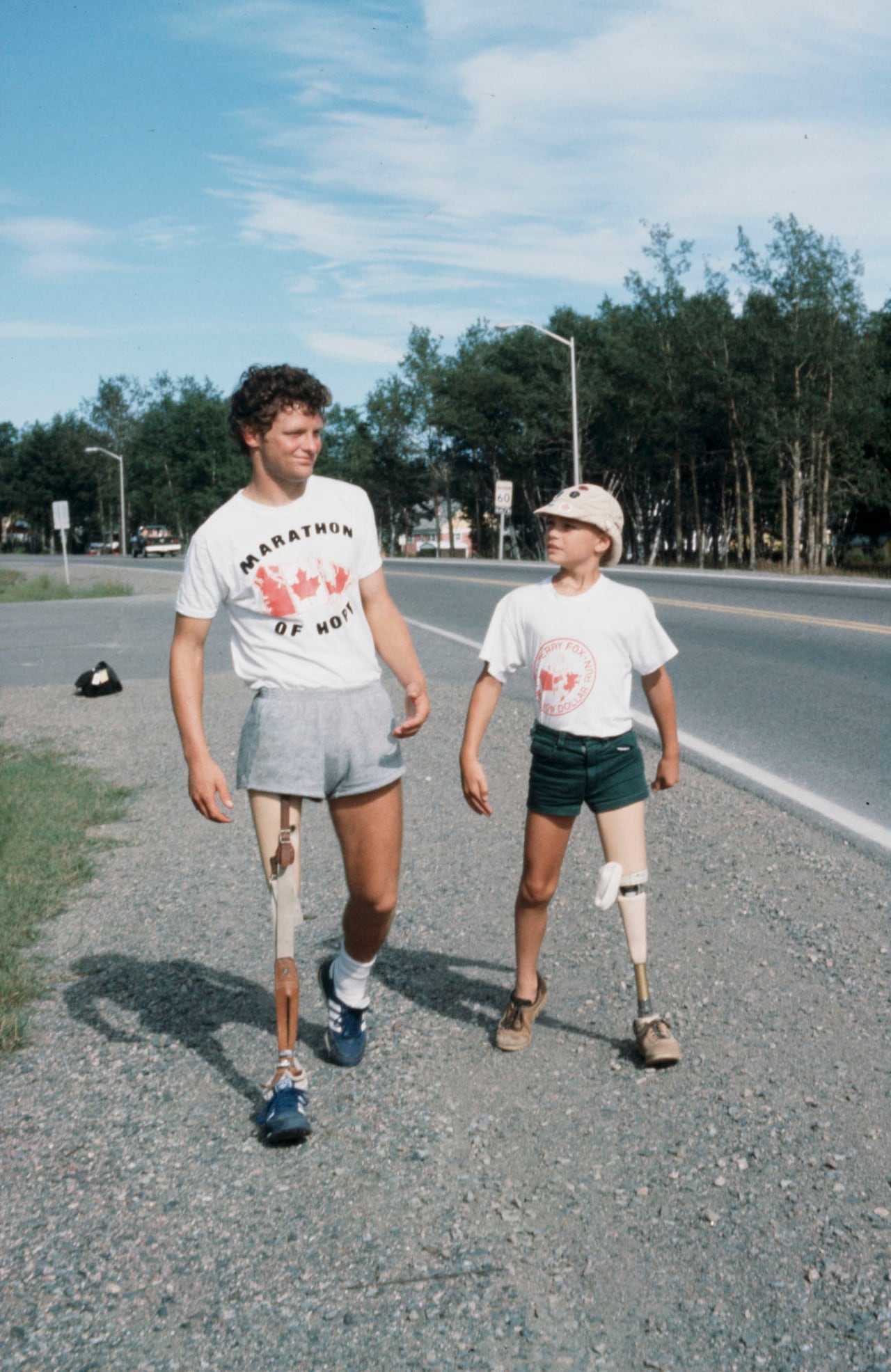
Terry Fox, left, walks with 10-year-old Greg Scott in Terrace Bay, Ont., on August 27, 1980. Both individuals lost a leg to bone cancer. Scott traveled from Welland, Ont., to meet Fox during his marathon run. (Boris Spremo/Toronto Star via Getty Images)
10. He could still enjoy life despite the seriousness of his mission
The footage also highlights Terry’s fun-loving nature. He shares jokes with Darrell and Alward, plays pranks, and enjoys light-hearted moments.
The film features a particularly poignant scene where Terry relaxes and connects with a young boy who had also undergone a leg amputation. This serves as a reminder that Terry Fox was still a 21-year-old capable of laughter, playfulness, and silliness.
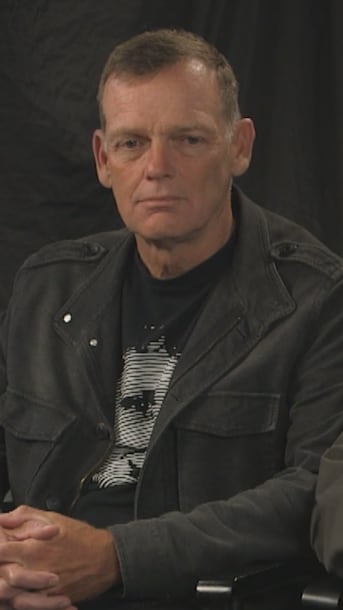
Director Sean Menard’s new documentary Run Terry Run showcases previously unseen footage of Canadian icon and cancer research advocate Terry Fox. It also features new interviews with individuals who accompanied him on his marathon across the country, including Fox’s brother Darrell.
11. Darrell Fox was unaware that his brother had gone to the hospital
On September 1, 1980, in Thunder Bay, Ont., Terry experienced breathing difficulties and instructed Alward to take him to the closest hospital. Darrell, who was driving in a support vehicle behind them, initially assumed it was just a routine stop. He had no idea that this would mark the conclusion of the Marathon of Hope.
For the previous 93 days, Darrell had been closely aware of his brother’s whereabouts. Suddenly, his brother was no longer in sight. Upon arriving at the hospital, Darrell learned that the cancer had spread to Fox’s lungs.
In the hospital, Darrell recounted how the dynamics shifted. “It was Terry who was trying to comfort me,” he shared with CBC News. “He had already come to terms with it and was focusing on the positive—believing that this would add more significance to what he had just achieved.”
“I think that encapsulates who Terry Fox was, always putting others before himself,” he added.
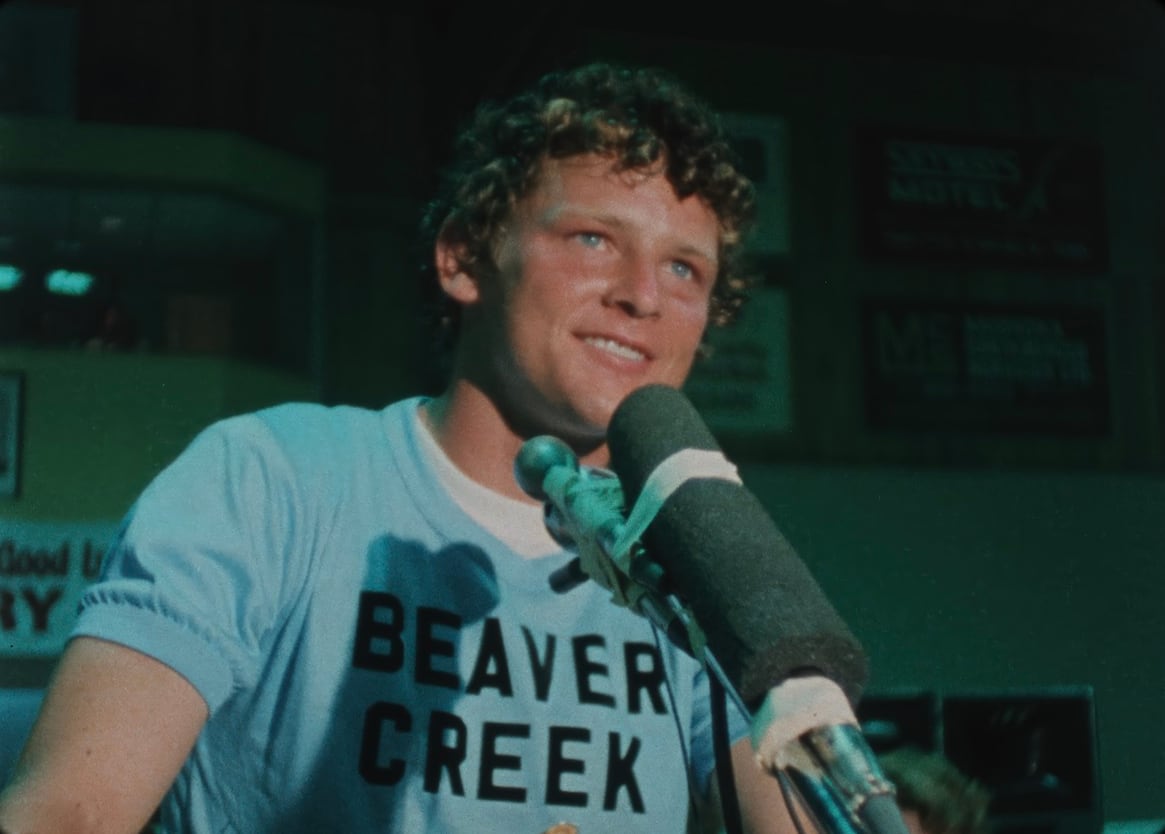
Terry Fox, pictured at a speaking event for 2,000 supporters in Gravenhurst, Ont., on August 11, 1980, helped bring cancer into the public conversation at a time when it was rarely discussed openly. (Elevation Pictures)
Terry Fox’s enduring legacy
Terry passed away nine months later, in June 1981 at the age of 22, but the fundraising initiative he initiated continues to thrive globally. Annual Terry Fox runs, held in Canadian communities and schools every fall, have raised over $1 billion for cancer research.
Recognized with the Order of Canada at 22, Terry Fox remains a source of inspiration. His brother Darrell hopes viewers of the new documentary will come away with the understanding that his brother’s legacy is attainable.
“Terry was just an ordinary individual,” he remarked. “Yet look at what he achieved. Look at his accomplishments.”
Run Terry Run is set to premiere in theaters on October 9.

