
The British Columbia General Employees’ Union (BCGEU) has reached a preliminary agreement with the provincial government, a development that may conclude the prolonged strike affecting various sectors, including liquor distribution and wildfire management.
The Professional Employees Association (PEA) has also declared its intention to dismantle picket lines and re-engage in negotiations with the B.C. government.
Since September 2, over 25,000 workers represented by the BCGEU and more than 1,600 from the PEA have participated in job actions.
The BCGEU has announced that it will also be taking down its picket lines, with members from both unions expected to resume work on Monday.
The tentative agreement from the BCGEU, pending ratification, proposes a three percent wage increase each year over the next four years.
The announcement of the BCGEU’s tentative deal came on Sunday following mediated discussions with the provincial government.
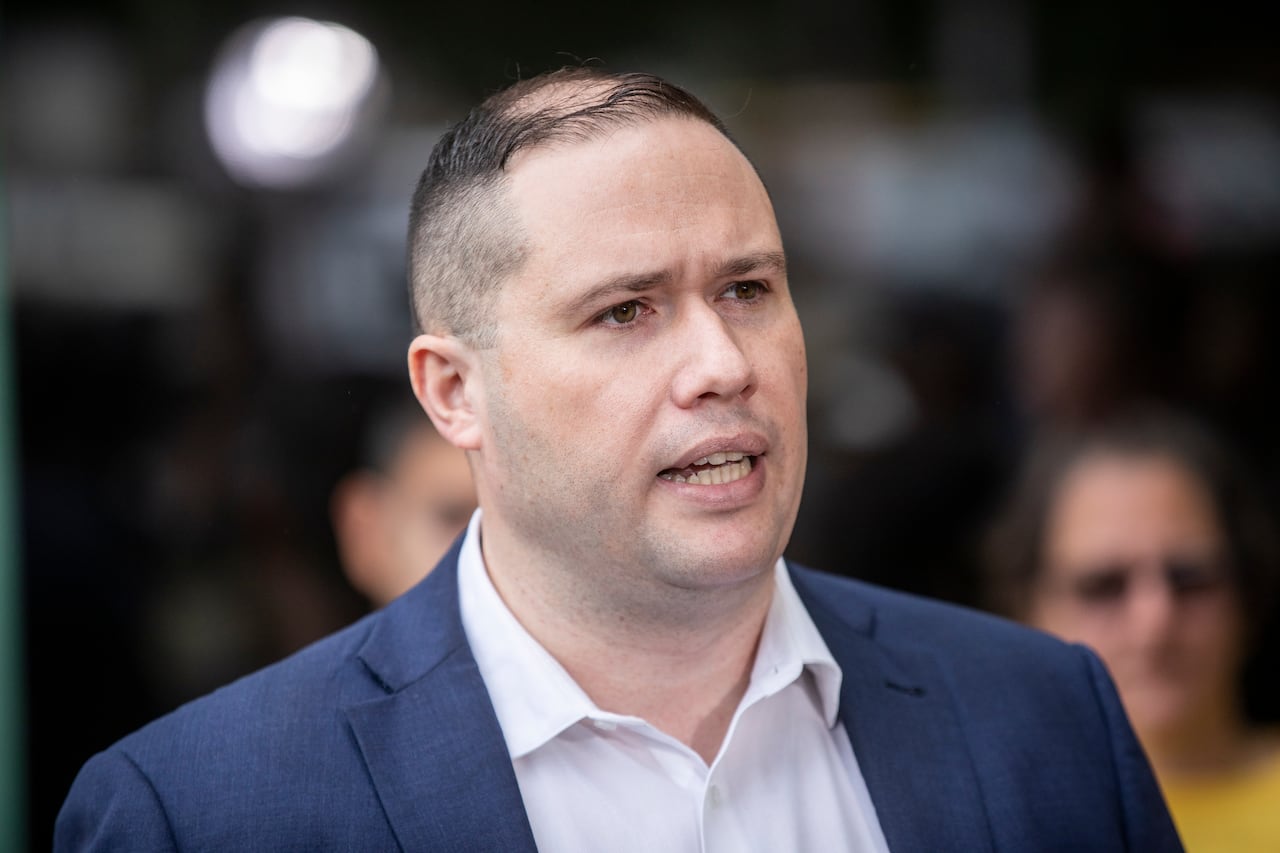
Paul Finch, president of the BCGEU, stated that the tentative agreement reflects the determination of workers after eight weeks of striking. (Ben Nelms/CBC)
In an interview, Paul Finch shared that the tentative agreement was finalized shortly after 7 a.m. PT on Sunday, expressing his “immense happiness” with the outcome.
“This is the result of a hard-fought win for our members — and for the workforce in B.C. as a whole,” he remarked.
The BCGEU indicated in a statement that the proposed agreement signifies “substantial advancements” on wage and affordability issues, but it will ultimately be up to the 34,000 public service employees to approve it.
Most of these workers have been on strike for eight weeks, establishing picket lines at government offices, B.C. Liquor Stores, Liquor Distribution Branch facilities, and more, which has led to a disrupted supply of alcohol and cannabis in particular.
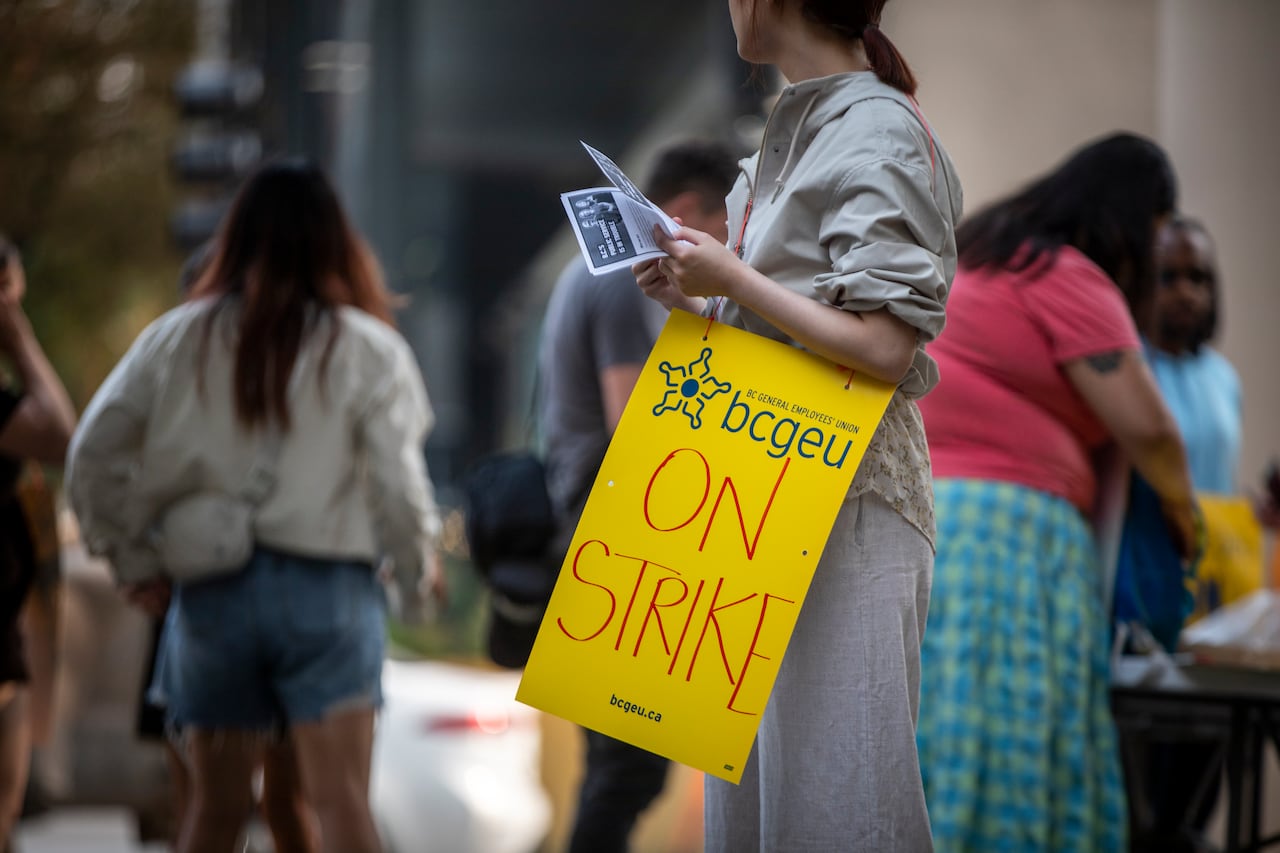
The strike has affected a range of services, including driver licensing and IVF funding programs. (Ben Nelms/CBC)
Various government programs — including student loans, IVF funding, and correctional services — have been disrupted by the strike.
The agreement is expected to enhance working conditions for remote and telework employees, along with targeted salary increases for the lowest-paid public workers, according to the union.
Finch mentioned that details regarding the ratification process would be communicated to members within the week, with voting scheduled to start the following week.
He noted that a simple majority of votes will be required from workers for the agreement to be ratified.
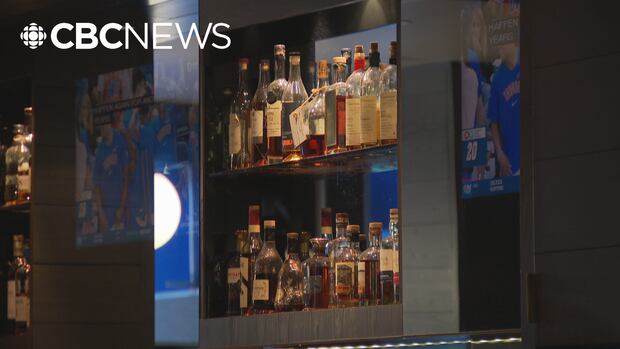
The ongoing public service worker strike in B.C. has entered its seventh week, impacting various businesses in the hospitality sector. Jessica Cheung reports that some restaurants have faced customer hostility due to shortages of alcohol.
Province had cited fiscal challenges
The contract between the BCGEU and the province expired on March 31, prompting workers to vote for a strike in pursuit of improved wages and working conditions amid rising living costs.
The union’s request for a four percent annual wage increase coincided with the provincial government’s efforts to address an $11.6 billion deficit.
Throughout the nearly two-month strike, the union and government experienced negotiation breakdowns on several occasions, as Finance Minister Brenda Bailey insisted on reaching an agreement that was equitable for all British Columbians.
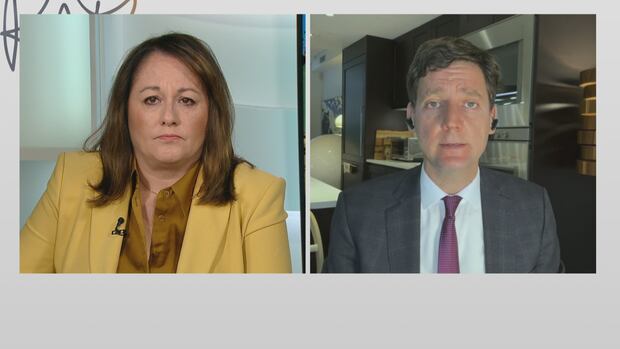
Premier David Eby stated that the BCGEU strike has persisted for too long. He expressed hope that the newly initiated mediation would allow for a swift resolution and lead to a two-year collective agreement.
On October 17, both parties agreed to enter mediation to resolve the strike, facilitated by experienced labour mediator Vince Ready along with Amanda Rogers.
In a statement, Bailey expressed satisfaction with the preliminary agreement.
“Our government honors the ratification process and the rights of union members to vote on their agreements, so I will refrain from further comments until that process is complete,” she stated.
David Hannah, a business professor at Simon Fraser University, noted that the BCGEU agreement might serve as a model for other unions’ contracts with the B.C. government.
“The government secures a four-year contract ahead of the next election,” he explained.
“While the union does not achieve the four percent [wage increase], they end up with better terms than before the strike, and they receive a guaranteed rate [of three percent each year] for the next four years.”
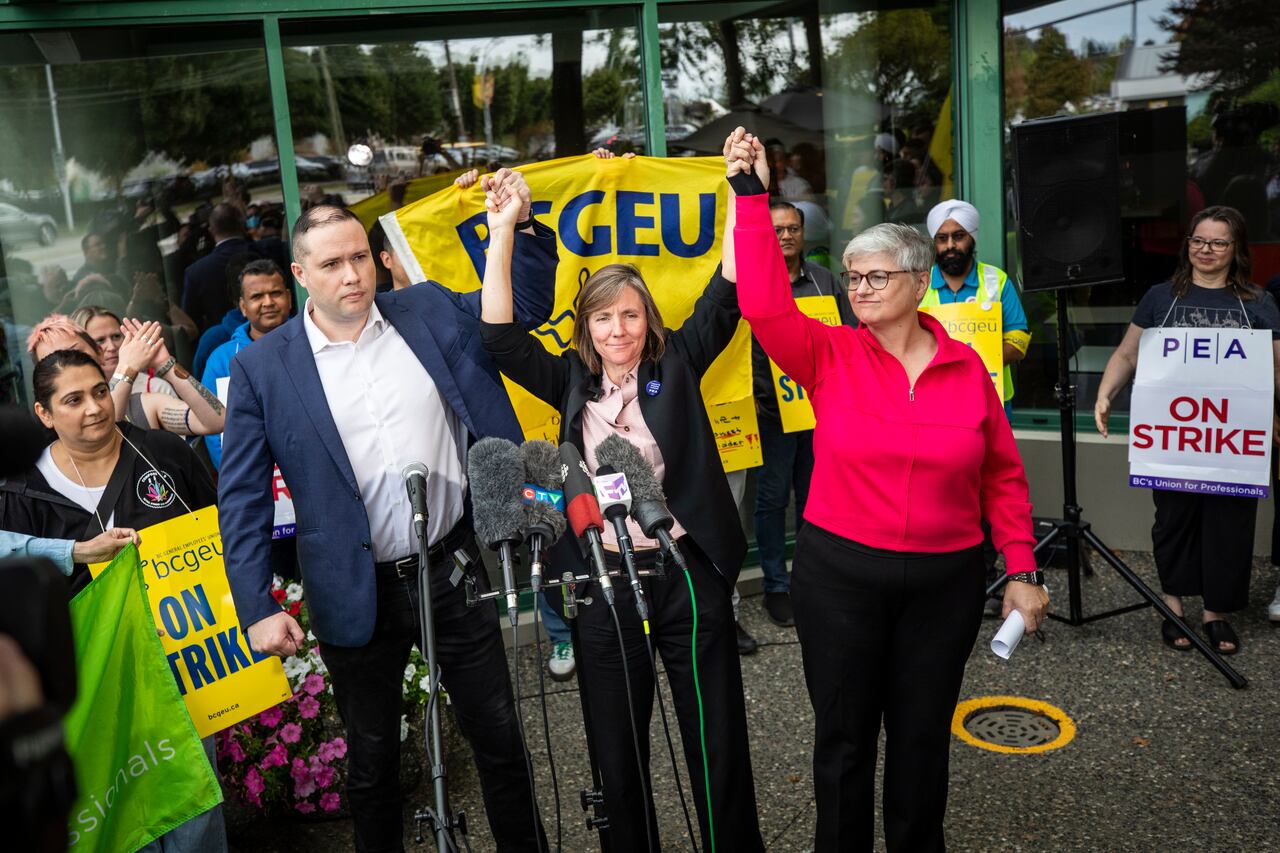
BCGEU president Paul Finch, left, and PEA executive director Melissa Moroz are seen at a BCGEU rally on September 8, 2025. (Ben Nelms/CBC)
PEA to take down picket lines
The PEA, a distinct union representing government-licensed professionals such as lawyers, pharmacists, and engineers, has decided to halt picketing and return to negotiations with the B.C. government, as stated in a press release on Sunday evening.
According to the release, the same general wage increases and other essential proposals accepted by the BCGEU have also been offered to the PEA.
“We are suspending our picket lines to facilitate negotiations after making progress today on several key priorities for the union,” said Melissa Moroz, executive director of the PEA and lead negotiator.
Members have been picketing alongside the BCGEU since September 2.

