
This month, ladybugs are making a significant appearance throughout Saskatchewan as they prepare for hibernation, according to specialists.
“Insect populations fluctuate in cycles of growth and decline, and it seems we are currently experiencing a ladybug surge,” remarked Georgiana Antochi-Crihan during her interview with Saskatoon Morning host Candice Lipski.
Antochi-Crihan serves as the entomologist for the City of Saskatoon. She emphasized that to comprehend the increase in ladybug numbers, one must focus on the small details.
“A significant factor is the availability of food sources for them,” she explained.
Ladybugs primarily consume aphids, scale insects, mealybugs, and other pests that affect crops.
In Regina, Ashley Thompson hasn’t observed a notable ladybug surge this year; however, she has seen a substantial number of aphids.
“This year, the aphid population was quite large, which certainly aids in the survival of ladybugs,” said Thompson, who manages parks technical services for the City of Regina.
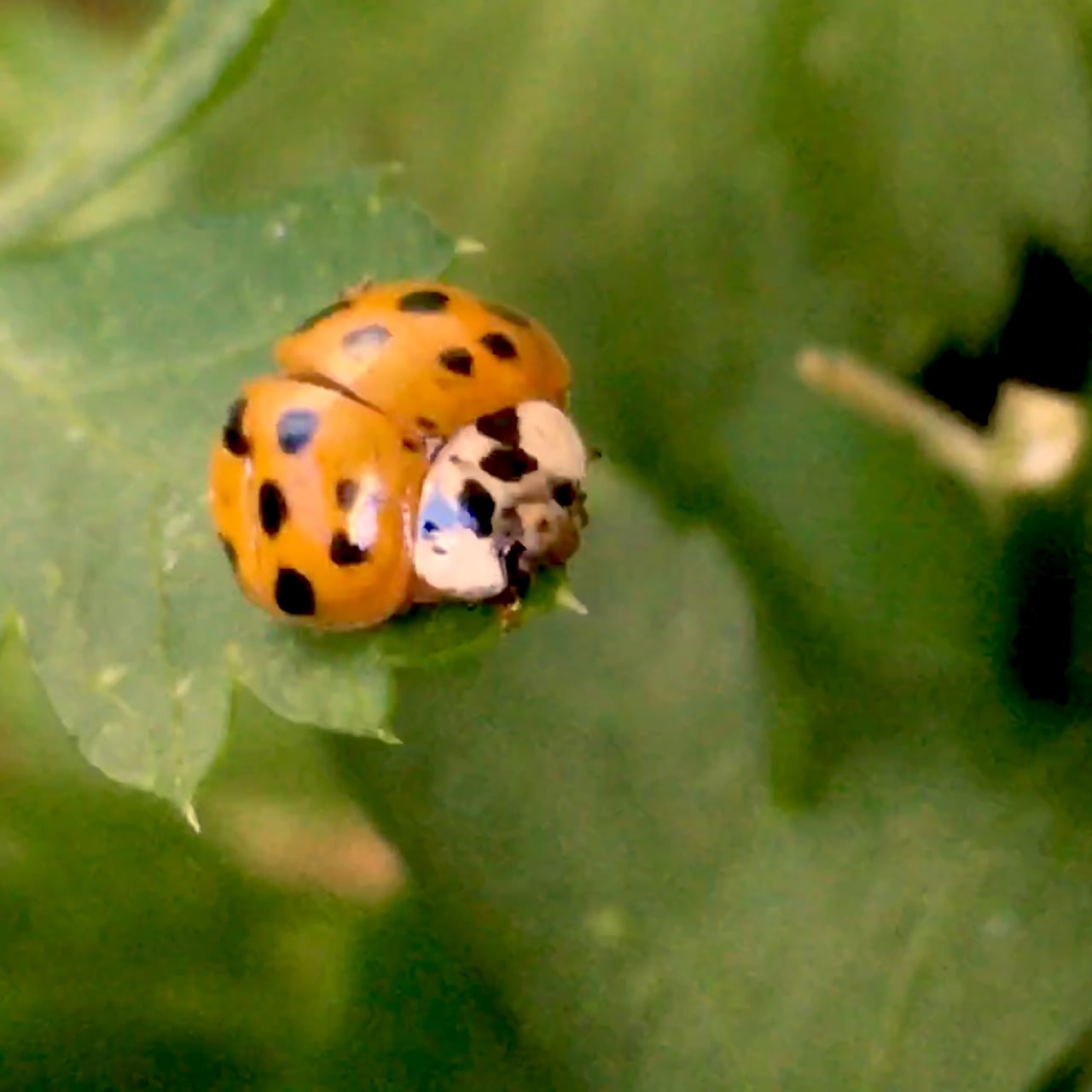
A ladybug rests on a leaf teeming with aphids. (David Horemans/CBC)
Vesna Fa also noticed a high number of aphids this past summer in North Battleford.
“I spend a lot of time gardening, and I’ve observed numerous aphids along with various predatory insects, which likely attract ladybugs,” she stated.
Fa is the executive director of Midwest Food Resources, a non-profit focused on food security that operates in North Battleford, Lloydminster, Meadow Lake, and Turtleford.
“Ladybugs are beneficial creatures. Therefore, it’s best to preserve them and refrain from using pesticides,” Fa advised.
-
To swat or not? These scientists suggest we rethink our fear toward insects
-
Ladybugs are critical critters in the garden, but warmer winters could wipe them out
Candace Savage concurred that the ladybug population in the province should be valued for their ecological contributions. She chairs Wild About Saskatoon, a volunteer initiative that advocates for biodiversity.
Among the roughly 75 species of ladybugs mentioned by Antochi-Crihan that inhabit the province, both native and non-native varieties exist. The seven-spotted lady beetle, the most prevalent, can be recognized by the distinctive seven spots on its back.
“It’s crucial to provide native plants and to encourage both these delightful introduced species and the native ones. Most importantly, we need to create habitats for the diverse range of species that naturally reside here,” Savage stated.

Host Candice Lipski speaks with city entomologist Georgiana Antochi-Crihan about the current ladybug population surge.
Thompson attributes the noticeable increase of ladybugs this month in Regina to their upcoming hibernation period.
“We usually see a rise in their numbers as the weather warms up, and they’re beginning to gather for winter, often finding warm spots against buildings where they cluster together,” Thompson explained.
Antochi-Crihan revealed that ladybugs possess a unique ability to endure the harsh winter temperatures of the prairie.
“This is largely due to the internal substances they produce. Some of these create antifreeze compounds, and their production increases as autumn approaches,” Antochi-Crihan noted.
It is anticipated that ladybugs will emerge in large numbers again when they come out of hibernation next spring.

