
Over a year after Alberta’s government declared the establishment of a network of hunters to dispatch “problem” grizzly bears, the province reports that one bear has been killed.
“So far, four grizzly responders have been deployed to manage grizzly bear conflicts, resulting in the lethal removal of only one bear,” stated Michael Plenits, press secretary for the Ministry of Forestry and Parks.
“In all four instances, the grizzly bears were involved in livestock fatalities.”
During a legislative session on Tuesday, Minister of Forestry and Parks Todd Loewen confirmed that a bear was killed in mid-June near Twin Butte, a small community within the Pincher Creek region of southern Alberta.
Grizzly bear hunting has been prohibited in Alberta since 2006. This ban continues, except for specific situations through the province’s Wildlife Management Responder Network program, which was initiated with a ministerial order in June 2024.
The network of “grizzly responders” comprises qualified hunters who have applied and been selected for the program. When an incident arises that warrants the killing of a grizzly bear, these hunters may be called into action.
The province has indicated that this program is not classified as a bear hunt, although it also states that after tracking and shooting a grizzly, the responder may keep the bear’s meat, hide, and all other parts, except for the gallbladder.
Killing grizzlies a Band-Aid solution, says former officer
John Clarke, a retired officer with Alberta Fish and Wildlife, participated in the province’s wildlife management strategies throughout his career. He emphasized that being bear aware is essential to preventing human-grizzly conflicts in rural Alberta, suggesting that preventing bears from being drawn to populated regions would significantly reduce the need to kill them.
“Rather than kill bear after bear, it’s crucial to address the root causes of the issues,” he remarked.
Clarke highlighted the government’s funding for financial assistance aimed at keeping bears away from farms. This includes installing electric fences, improving grain storage, and disposing of dead livestock.
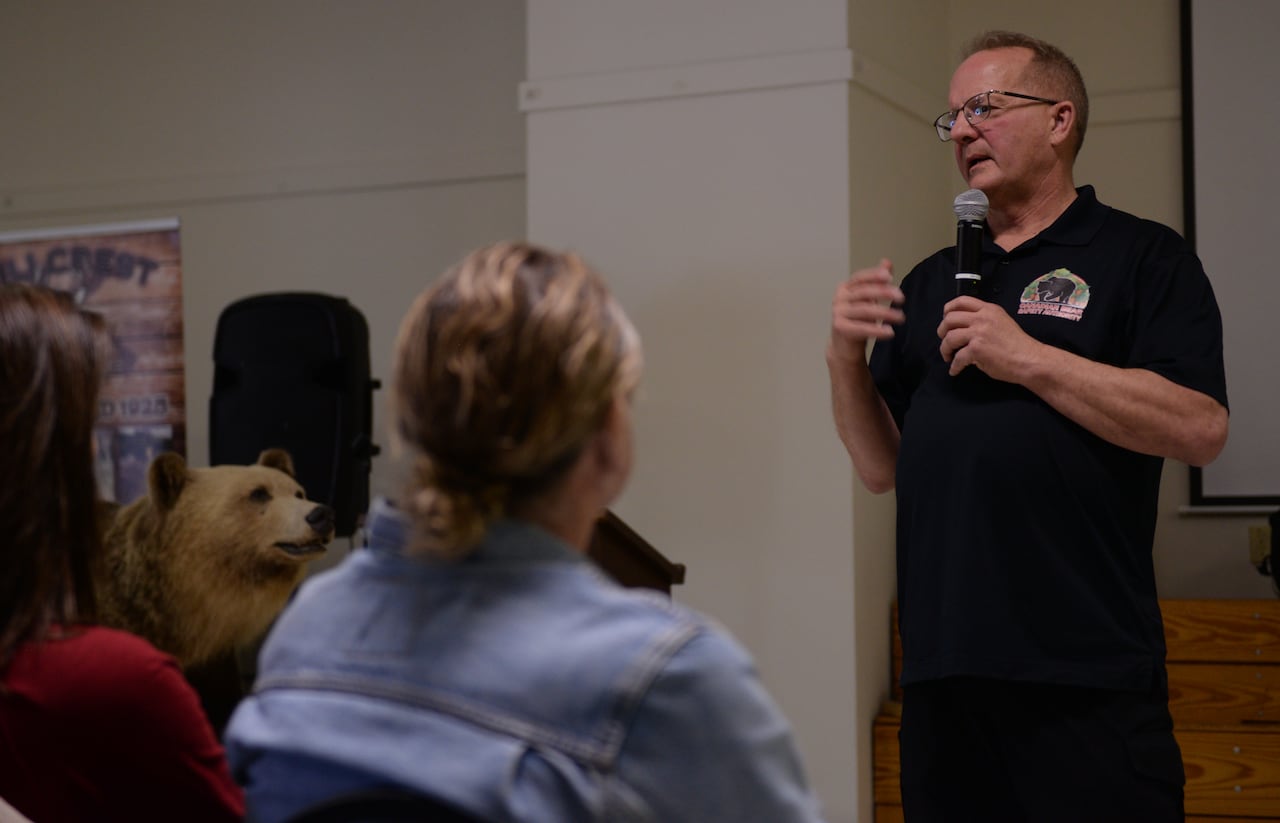
John Clarke, seen during an event in Blairmore, is the founder of the Canadian Bear Safety Authority. (Helen Pike/CBC)
Clarke suggested that allowing the public to shoot “problem” grizzlies instead of having Fish and Wildlife officers handle it is “likely a mix of bear management and political considerations.”
He noted that despite the province authorizing this program last year, Alberta Fish and Wildlife “still euthanizes a considerable number of grizzly bears each season.”
“Instead of killing the bear themselves, they’re bringing in a hunter to do it… allowing a resident to harvest that animal,” Clarke explained.
Clarke expressed concern about the risk of mistakenly killing the wrong bear, emphasizing the importance for hunters to confirm that the bear they are targeting is indeed the one they are permitted to shoot.
Minister says program responds to ‘negative grizzly-human interaction’
In a conversation with CBC News, Loewen stated that while he views the province’s grizzly bear recovery efforts as successful thus far, there is still “concern regarding the negative interactions between grizzlies and humans,” which the Wildlife Management Responder Network aims to tackle.
“We are definitely observing a wider distribution of grizzly bears across the province, along with an increase in their population density,” Loewen remarked.
In a statement released last year, the province noted that Alberta’s grizzly bear population has “risen from roughly 800 to over 1,150, prompting them to venture into more populated areas.”
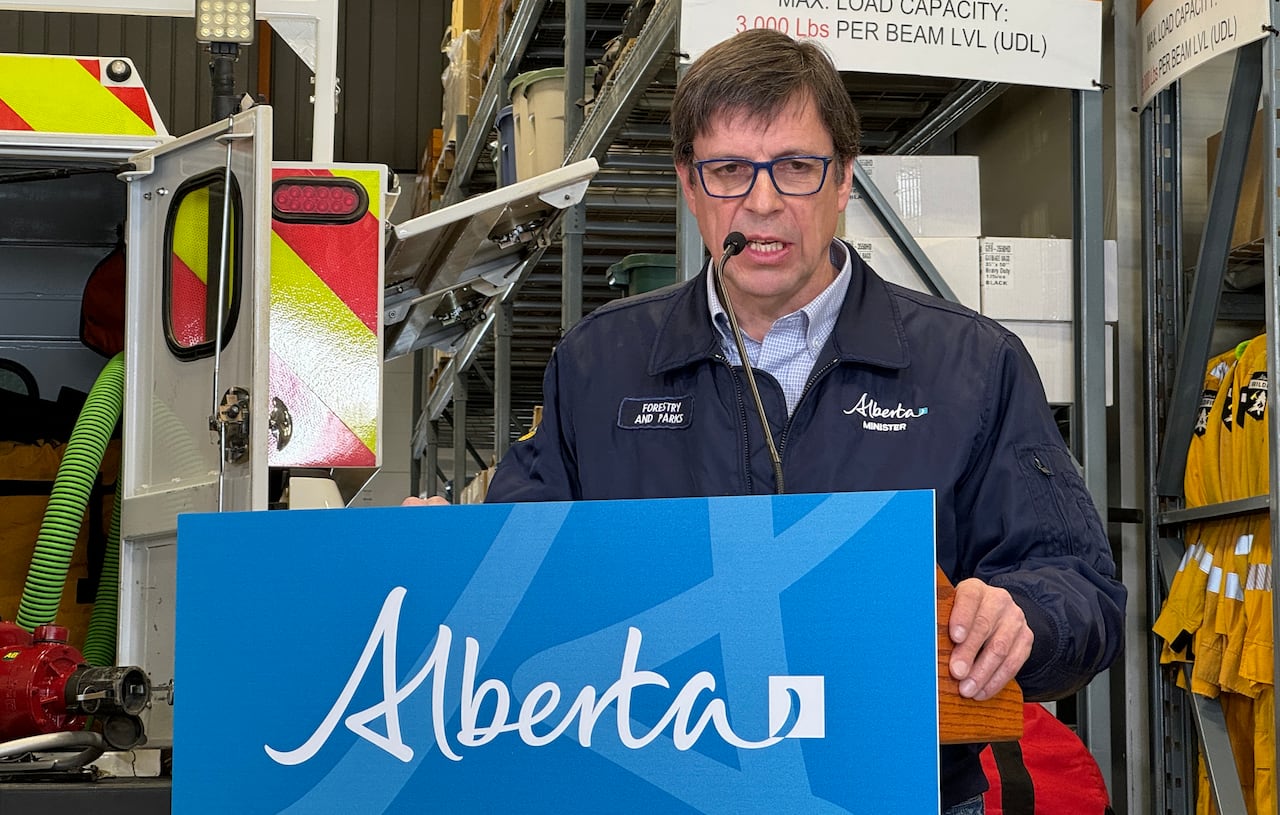
Alberta Minister of Forestry and Parks Todd Loewen, shown in 2024, believes the province’s grizzly management strategy is effective. (Dennis Kovtun/CBC)
“We receive numerous reports about these negative interactions with grizzlies… and there has been a significant amount of livestock losses due to grizzlies,” Loewen added.
Mountain View Bear Smart, a group monitoring bear encounters and other large carnivores in central Alberta, has documented several cases of landowners experiencing attacks on their animals by grizzly bears. Most recently, a goat was killed by a grizzly on October 16.
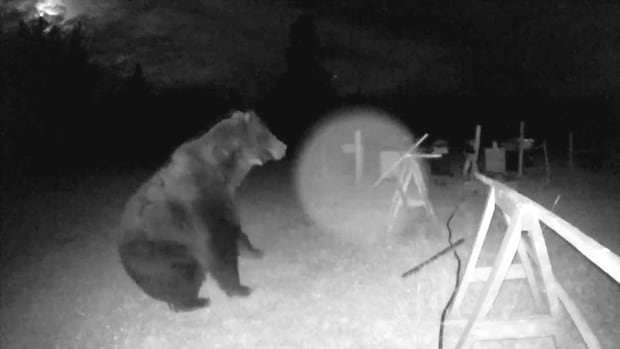
Mountain View County beekeepers Simone and Steven Dold often have to deal with unwanted guests trying to steal from their hives, like this grizzly bear. The brazen bruin attempted to pull off a late-night heist — but didn’t get the honey it was looking for.
“We want to ensure that people do not lose their livelihoods due to these negative interactions,” Loewen stated.
The province’s recovery plan includes restoring grizzly habitat in areas such as Kananaskis Country and other bear management zones, alongside promoting awareness on co-existing with bears through educational initiatives like Bear Smart.

