
Parents and elementary school students in Alberta are facing the looming possibility of a teachers’ strike as the new school year enters its second week.
After negotiations between the Alberta government and the teachers’ union collapsed at the end of last month, both parties remain deadlocked, each waiting for the other to make a move.
Adina Green, a mother of two sons aged nine and 15, expressed the family’s predicament, stating, “Our entire family is on hold.” With no daycare or after-school care arrangements in place, they are prepared to rely on retired relatives if a strike occurs, but those relatives are currently on standby.
While understanding the requirement of a three-day notice before any strike or lockout, Green’s biggest concern is waking up one morning to find the teachers off the job.
Describing the current situation as uncertain and causing knots in the stomach, Green emphasized the anxiety felt by many families.
Here is a summary of the latest developments in the labor dispute as of Monday morning.
Stalemate Between Parties
The Alberta Teachers’ Association (ATA), representing 51,000 teachers, received a strike mandate while the Teachers’ Employer Bargaining Association (TEBA), representing school boards, was granted the authority to lock out teachers after confirming the results of a vote.
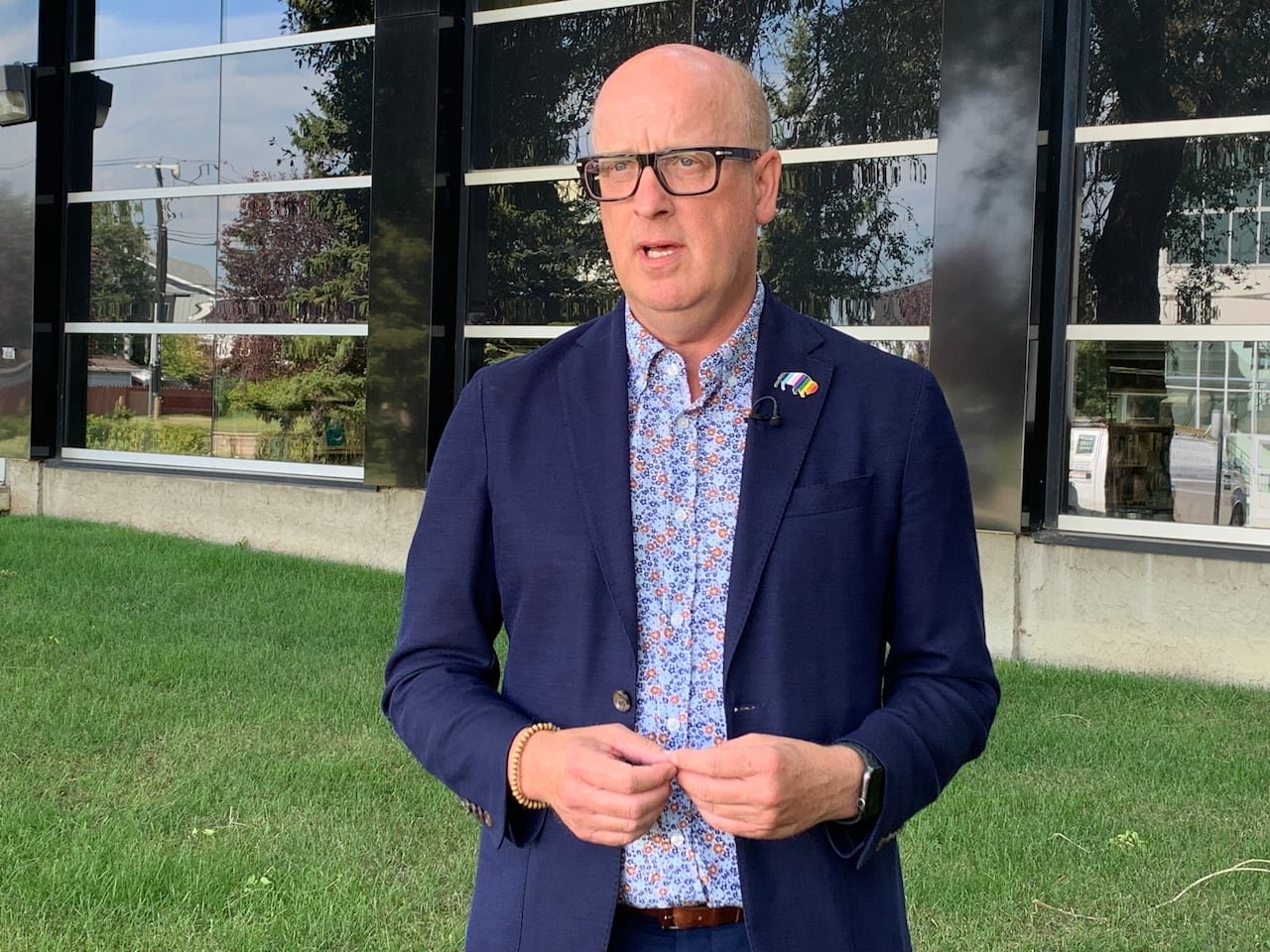
According to ATA president Jason Schilling, there have been no discussions between the parties since late August.
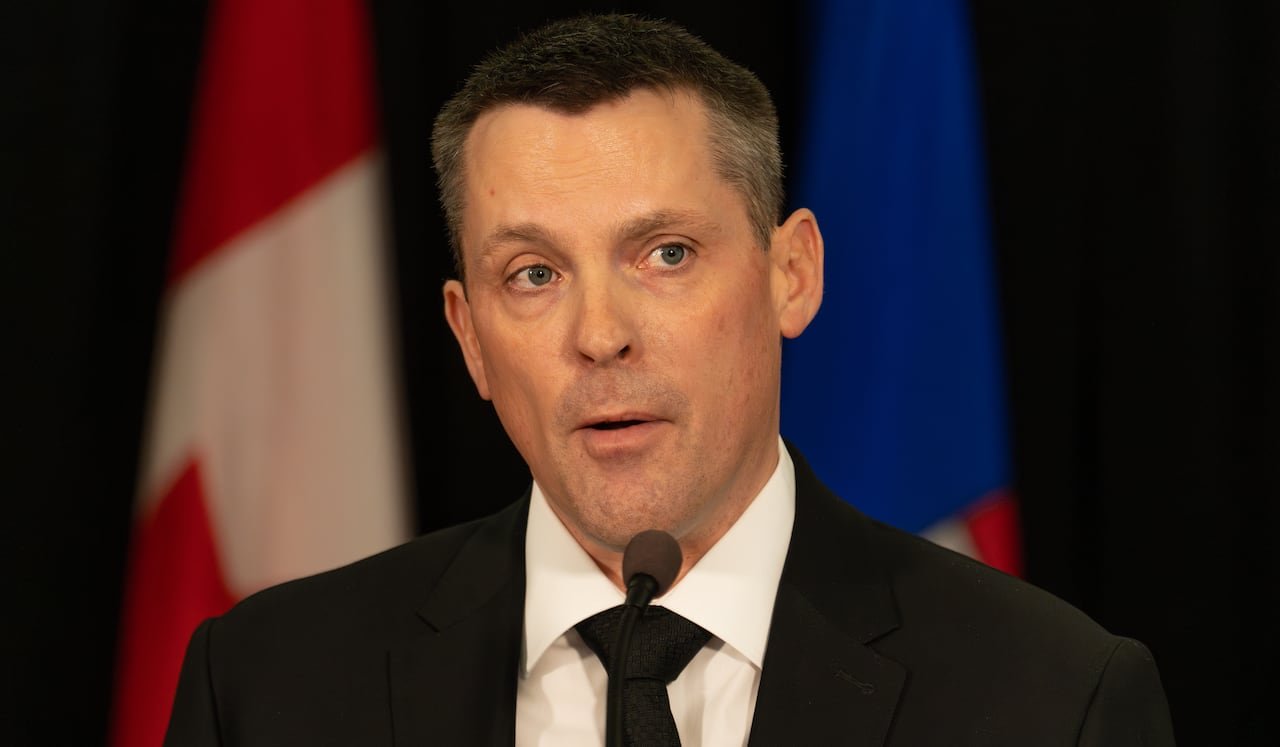
Finance Minister Nate Horner mentioned in a statement that TEBA is willing to resume negotiations, and the teachers are also open to discussions but demand more respect and recognition for their work.
Schilling emphasized the need for both sides to engage in dialogue, emphasizing that communication should be a two-way street.
Government’s Position
In a statement, Horner criticized the union’s bargaining team for not engaging in negotiations, highlighting a proposed package costing $2.3 billion, including a 12% wage increase over four years and the hiring of 3,000 new teachers.
The union’s request for additional teacher hiring is estimated to cost $750 million, posing financial challenges amid projected budget deficits.
Union’s Demands
The union seeks higher wages to match inflation and acknowledgment of increased workloads over the years, with Schilling pointing out that teacher wages have only increased by 5.75% in the past decade.
Referring to the province’s financial situation, Schilling highlighted past administrations’ promises to teachers during fiscal crises that were never fulfilled.
No Strike Pay for Teachers
In the absence of a deal, teachers

